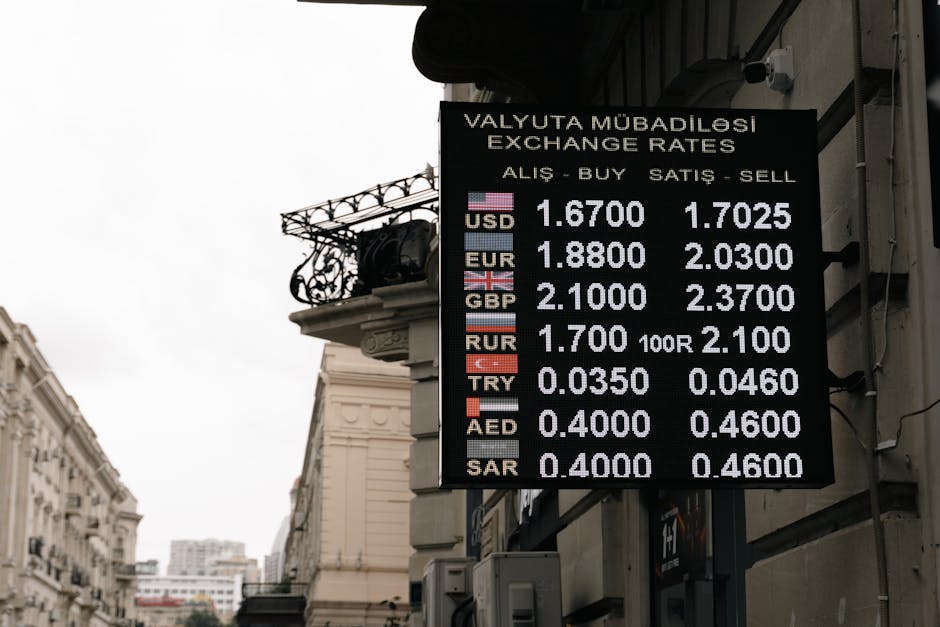
The EUR/USD pair closed the session unchanged at 1.16, showing no significant movement throughout the day. This level has acted as a key point of stability, with neither bulls nor bears gaining a clear advantage. Despite the lack of price change, maintaining this level is important as it suggests a balance between demand for the euro and the US dollar at current valuations. Traders often watch this pair closely because it reflects economic conditions in both the Eurozone and the United States.
The steady performance in EUR/USD today can be attributed to a mix of global factors balancing each other out. On one hand, the European Central Bank’s recent signals about a cautious approach to interest rate changes have kept the euro supported but limited upside momentum. On the other hand, the US Federal Reserve’s steady stance, without new policy shifts, has kept the dollar stable. Additionally, risk sentiment among investors remains cautious due to ongoing uncertainties in global economic growth and geopolitical tensions, which typically leads to less dramatic moves in major currency pairs.
Looking beyond EUR/USD, other major currency pairs also showed no change at the close. GBP/USD remained flat at 1.34, reflecting steady conditions in the UK economy and a pause in Brexit-related market reactions. The commodity-linked Australian and New Zealand dollars (AUD/USD at 0.71 and NZD/USD at 0.58) held their ground, supported by steady commodity prices but without fresh drivers for movement. Meanwhile, USD/CHF and USD/CAD also ended unchanged at 0.80 and 1.39 respectively, indicating a day of consolidation across major currencies with no new shocks or surprises.
In summary, today’s full trading session was characterized by calm and balance, as key levels were maintained without any major breakouts or breakdowns. The EUR/USD’s ability to hold 1.16 suggests that market participants are waiting for clearer direction from upcoming economic data or central bank communications. Overnight, traders will be watching for developments in US inflation data and any geopolitical updates that could influence risk appetite. These events have the potential to disrupt the current equilibrium and lead to renewed volatility when Asian markets open.