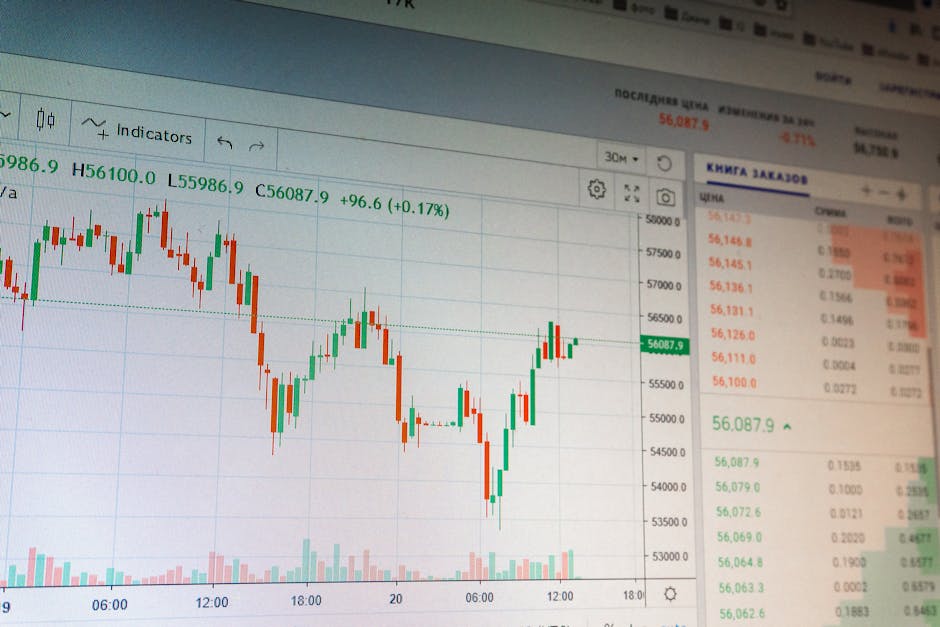
EUR/USD remains unchanged at 1.16 midday in Tokyo, showing no significant movement during the morning session. The pair has stabilized after recent fluctuations, maintaining its current level without any noticeable gains or losses. This steady position indicates a temporary balance between buyers and sellers in the euro and US dollar exchange rate, with market participants cautious ahead of important economic announcements later in the day.
The lack of movement in EUR/USD can be attributed to a wait-and-see approach by traders amid mixed signals from both the Eurozone and the United States. Investors are closely monitoring upcoming economic data and central bank communications, which could influence future currency direction. In particular, expectations around US inflation figures and Eurozone industrial output are keeping market participants on edge. Additionally, global risk sentiment remains neutral, with no major geopolitical or economic shocks pushing the market in either direction.
Looking at other major currency pairs, GBP/USD also holds steady at 1.35, reflecting a similar cautious stance among traders. The Australian dollar versus the US dollar (AUD/USD) and New Zealand dollar versus the US dollar (NZD/USD) are flat at 0.71 and 0.59 respectively, indicating limited movement in commodity-linked currencies during the session. Meanwhile, USD/CHF stands at 0.79 and USD/CAD at 1.39, both unchanged, suggesting that the Swiss franc and Canadian dollar are also experiencing minimal volatility in the current environment.
The Tokyo morning session saw subdued trading activity as investors awaited clearer market direction ahead of the European and US market openings. Intraday momentum remains weak, with no strong price trends emerging so far. As London opens, traders will likely focus on fresh economic data releases and central bank updates that could provide new information to break the current stalemate. For Japanese forex traders, it will be important to watch for any shifts in risk appetite or unexpected news that could trigger volatility and influence the direction of major currency pairs, including EUR/USD.