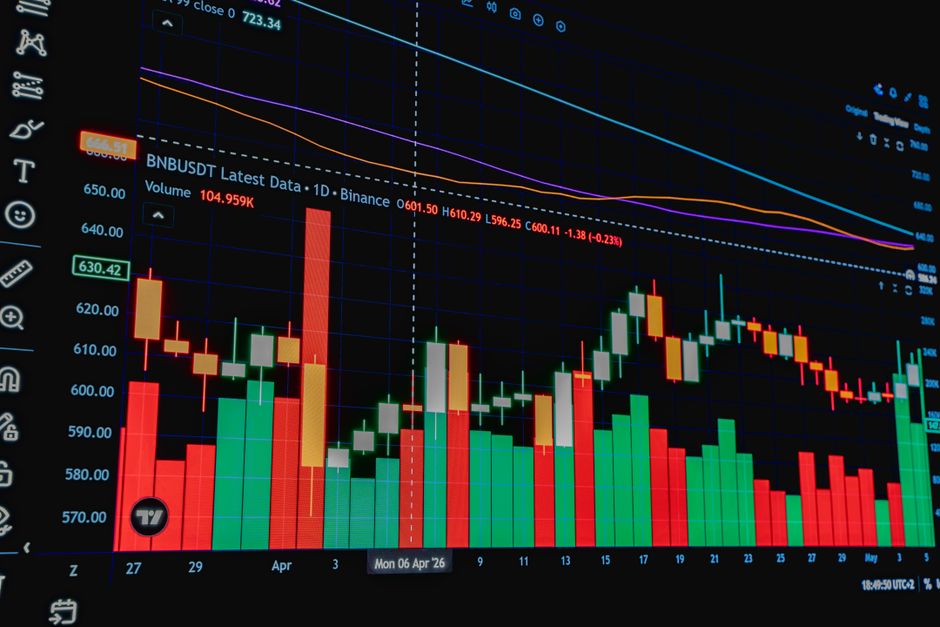
The Tokyo Stock Exchange saw mixed action today, driven primarily by the Bank of Japan’s recent move into a hiking cycle, marking its first consecutive rate increase. This shift in BOJ policy has prompted investors to reassess valuations and risk across sectors, contributing to a sharp decline in TSE 6920 shares, which fell 13.55%. The market reaction reflects caution as participants digest the implications of tighter monetary conditions after a prolonged period of stability. Other global central banks remain either on hold or just beginning their hiking cycles, with the Reserve Bank of Australia and European Central Bank also raising rates, reinforcing a global environment of cautious tightening.
Sector-wise, the market showed differentiated momentum. Among exporters, Honda (7267) and Nissan (7201) posted solid gains, rising 2.90% and 1.70% respectively, supported by their exposure to global automotive demand. Electronics heavyweight Sony (6758) advanced 2.62%, while industrial giant Hitachi (6501) also moved up 2.18%, suggesting investor preference for companies with strong international sales and innovation capabilities. Conversely, major banks such as MUFG (8306) and Mizuho (8411) slipped modestly, with declines of 0.28% and 0.62%, respectively, possibly reflecting some uncertainty over how BOJ policy tightening will impact domestic lending and credit conditions.
The yen’s movement today was relatively stable, contributing to the mixed performance seen among exporters and importers. A steady yen typically supports exporters by protecting overseas earnings when converted back to yen, which helped companies like Honda and Nissan. Importers faced less pressure from currency fluctuations, maintaining balanced cost structures. This stability in the currency market allowed investors to focus more on company-specific factors and central bank policy shifts rather than sudden foreign exchange volatility.
Overall, the full-day session encapsulated a cautious but selective buying pattern. After-hours trading showed no major earnings announcements that could shift sentiment drastically, keeping investors attentive to the BOJ’s upcoming July 30 meeting, where further policy guidance is expected. Looking ahead to tomorrow, market participants will likely continue to monitor how this new hiking cycle impacts liquidity and corporate profitability, as well as watch for any signals from other central banks, including the Federal Reserve and Bank of England, both currently on hold. The focus will remain on balancing growth prospects with rising borrowing costs in this evolving monetary landscape.