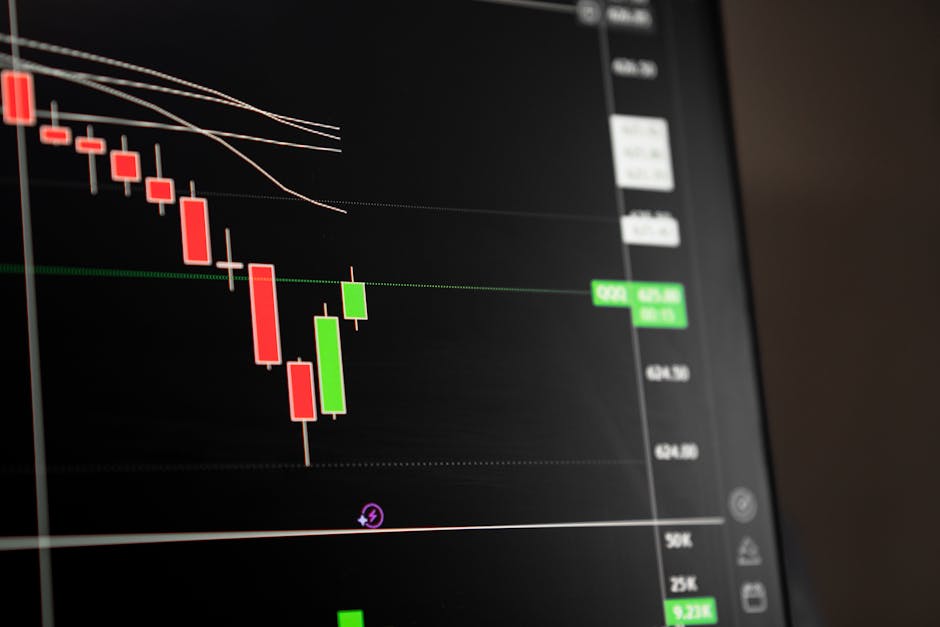
Japanese equities fell sharply this morning, led by a significant market reaction to the Bank of Japan’s recent move into a hiking cycle, marking the first step in raising its policy rate to 1.00%. This shift in BOJ policy signaling a departure from previous stances has unsettled investors, contributing to the Nikkei 225’s 4.03% drop and a nearly 10% plunge in TSE:6920. The BOJ’s decision contrasts with other major central banks like the Federal Reserve and the Bank of England, which remain on hold, and the European Central Bank and Reserve Bank of Australia, which continue hiking but at different rates. The BOJ’s tightening stance is driving a reassessment of valuations across Japanese equities.
Financial stocks were particularly hard hit as investors digested the implications of the BOJ’s hike. Mizuho Financial Group (8411) declined 6.04%, Mitsubishi UFJ Financial Group (8306) lost 4.30%, and Sumitomo Mitsui Financial Group (8316) dropped 4.40%. The sector’s sensitivity to interest rate changes explains the sharp reaction, as higher borrowing costs and shifts in yield curves affect bank profitability. In the industrial sector, Hitachi (6501) fell 2.30%, while traditional automakers showed mixed results: Toyota (7203) slid 0.33%, Honda (7267) dropped 1.48%, but Nissan (7201) was almost flat, up 0.09%. Sony (6758) bucked the overall trend with a 0.93% gain, likely benefiting from its diversified business streams and less direct exposure to rate-sensitive sectors.
The yen’s movement amid the BOJ’s policy change is influencing exporter and importer stock valuations. A stronger yen tends to weigh on exporters by making their goods more expensive overseas, while benefiting importers by reducing costs. Given the BOJ’s rate hike, the yen has shown signs of strengthening, contributing to pressure on major exporters such as Toyota and Honda, whose shares declined. Conversely, companies with domestic or import-heavy operations may see some relief, but the broad market sentiment remains cautious due to the uncertainty around how sustained the BOJ’s tightening cycle will be.
Looking ahead to the market open, investors will continue to monitor global central bank policies, especially with the Fed and BOE on hold and the ECB and RBA in hiking cycles. Overnight Wall Street was mixed, with no major catalysts to offset the BOJ-driven sentiment. The large drop in key financial stocks and the steep decline in TSE:6920 signal heightened risk aversion, suggesting further volatility. Key levels to watch include the Nikkei’s ability to stabilize near current lows and any follow-through in financial and industrial sectors. The next BOJ meeting on July 30 will be critical for confirming the pace and extent of further tightening, which will significantly influence market direction in coming months.