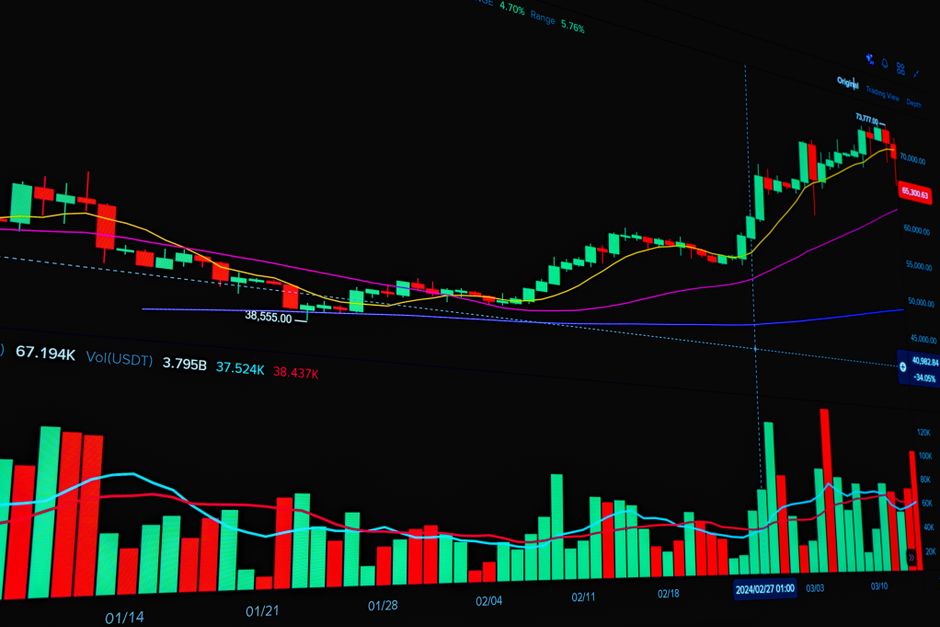
The Tokyo Stock Exchange closed sharply lower today as investors digested the Bank of Japan’s (BOJ) recent move into a hiking cycle, marking its first consecutive rate increase. Despite this policy shift signaling a new phase for Japan’s monetary environment, the market reacted with profit-taking and cautious selling rather than enthusiasm. The Nikkei 225 fell by 5.06%, weighed down heavily by a steep 10.88% drop in TSE:6752, a major technology stock. This decline underscores investor hesitation to embrace the new policy direction amid global uncertainties and mixed cues from other major central banks, some of which remain on hold.
Sector-wise, the market weakness was broad-based but particularly pronounced in financials and industrials. Bank shares such as MUFG (8306) fell 5.41%, SMFG (8316) dropped 4.58%, and Mizuho (8411) declined 4.50%, reflecting concerns over potential impacts of rising interest rates on lending margins and credit demand. Among industrials, Hitachi (6501) dropped 4.70%, while automotive manufacturers saw mixed moves: Toyota (7203) declined 1.95% and Honda (7267) fell 2.99%, but Nissan (7201) bucked the trend with a 1.41% gain, possibly benefiting from company-specific factors or relative valuation. Sony (6758) also slipped by 1.21%, adding to the pressure on tech-related sectors.
The yen’s movement today played a subtle role in the market dynamics. While the BOJ’s hiking cycle might eventually support a firmer currency, today’s session did not show a significant yen rally. Export-oriented companies like Toyota and Honda generally face pressure when the yen strengthens, as their overseas earnings translate into fewer yen. Conversely, a weaker yen helps exporters but can increase costs for importers. The mixed performance among exporters suggests that currency effects remain secondary to broader sentiment and earnings considerations at this stage.
Looking ahead, the full-day session reflected investor caution in a transitioning policy environment. There were no major scheduled events today, leaving the BOJ’s recent policy shift and global central bank stances as the main focus. After-hours earnings announcements will be closely watched for additional clues on corporate outlooks amid rising rates. Market participants will also monitor the upcoming central bank meetings in June, including those of the RBA, Fed, BOE, and ECB, for further guidance on global monetary trends. For tomorrow, investors may remain selective, balancing the BOJ’s policy adjustments against persistent concerns over economic growth and inflation pressures worldwide.