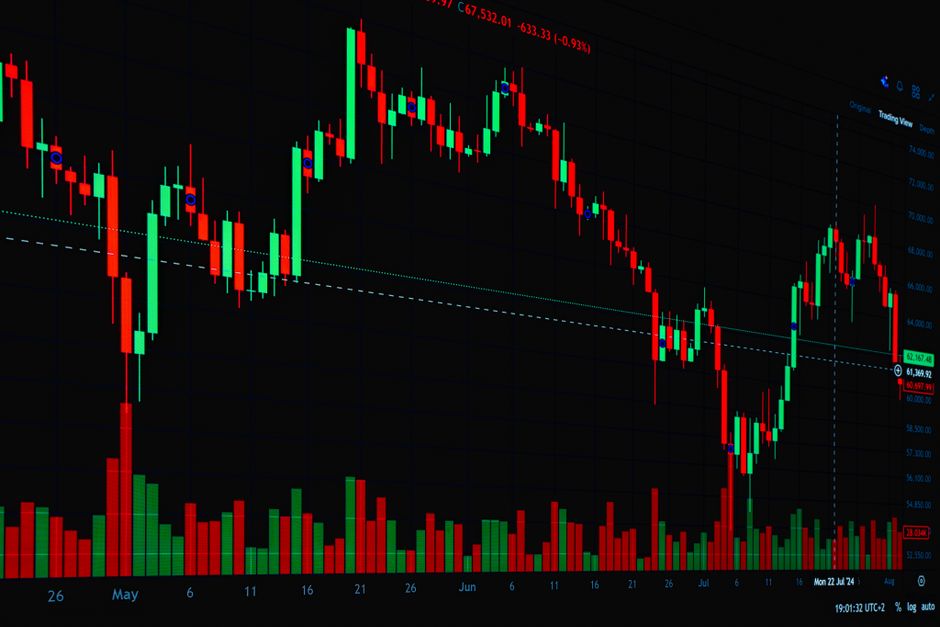
Japanese stocks closed sharply lower today as investors reacted to the Bank of Japan's ongoing hiking cycle, marking its first consecutive move to increase rates. This policy shift is creating uncertainty among market participants, prompting a broad sell-off. The Nikkei 225 declined 1.70%, reflecting concerns over the potential impact of higher borrowing costs on corporate earnings and overall economic growth. Notably, the Bank of Japan's next policy meeting is scheduled for September 18, which investors will closely watch for further guidance.
Sector-wise, the decline was widespread but particularly pronounced among exporters and industrials. Major automakers suffered heavy losses with Honda falling 4.99%, Nissan down 4.45%, and Toyota retreating 4.12%. Similarly, technology and industrial conglomerates were hit, with Sony shares dropping 3.33% and Hitachi down 3.19%. Financial stocks also declined, though more modestly, with MUFG, SMFG, and Mizuho down between 0.69% and 1.48%. The broad weakness reflects investors' caution as they reassess earnings prospects in an environment of rising interest rates.
The yen's movement today added pressure on exporters. While the currency's specific level is not detailed here, the BOJ’s policy tightening typically supports a stronger yen, which can weigh on exporters’ profit margins when converting overseas earnings back into yen. The sharp drops in shares of automakers and technology firms confirm investor concern about the yen’s impact on these companies’ competitiveness globally. Conversely, import-reliant sectors tend to benefit from a stronger yen, but such gains were not enough to offset the broader market weakness.
Overall, the session was marked by heavy selling throughout the trading day, with no significant after-hours earnings announcements to offset the negative sentiment. Investors are likely to remain cautious ahead of the BOJ’s next policy meeting in September and will monitor global central bank actions, including the Reserve Bank of Australia and the European Central Bank, which are also in hiking cycles. Market participants will be watching for any signals that could influence Japan’s economic outlook and corporate profitability moving forward.