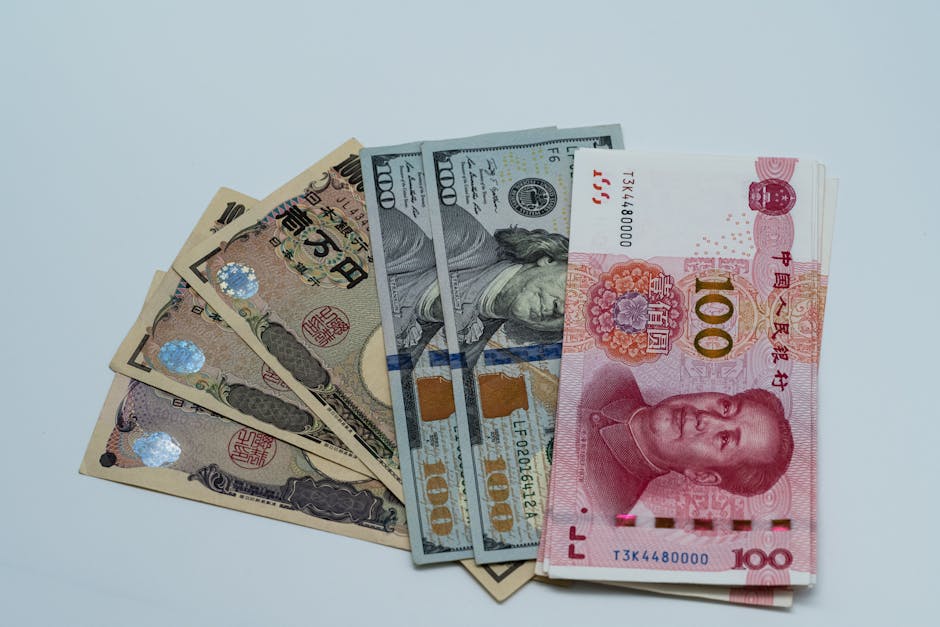
The Nikkei 225 surged 1.26% this morning, driven primarily by renewed investor confidence following the Bank of Japan's recent initiation of a hiking cycle. This marked shift in policy direction, with the BOJ raising its policy rate to 1.00%, contrasts with other major central banks that are mostly either on hold or just beginning hikes. The BOJ's stance signals a tightening monetary environment domestically, encouraging market participants to reassess valuations and growth prospects for Japanese equities. This policy backdrop helped lift overall market sentiment early in the trading day.
Sector performances were mixed but insightful. Financial stocks showed relative strength, with MUFG rising 0.83% and Mizuho up 0.49%, reflecting optimism about margin improvements as higher interest rates typically benefit banks. Conversely, major automakers faced selling pressure: Toyota declined 1.16%, Honda fell 1.25%, and Nissan dropped 0.60%. These declines may reflect concerns over cost pressures or currency volatility impacting export margins. Technology and industrial sectors saw moderate gains; Hitachi advanced 0.47% while Sony slipped slightly by 0.26%, suggesting selective investor interest rather than broad sector enthusiasm.
The yen's movement played a subtle yet important role in today's trading. Although exact yen levels are not detailed here, the BOJ's recent rate hike cycle tends to strengthen the yen relative to previous periods. A firmer yen can weigh on exporters by making their goods more expensive overseas, which helps explain the softness in auto shares. Meanwhile, importers might benefit from lower costs for foreign goods, but such gains were not pronounced in the current session. Investors should watch currency trends closely as they influence corporate earnings and sector performances in Japan's export-heavy economy.
Looking ahead, the market opens following a quiet overnight session on Wall Street, with no major new catalysts expected before the next round of central bank meetings in mid-June. The Federal Reserve and Reserve Bank of Australia remain on hold and hiking cycles respectively, while the European Central Bank also continues a hiking trajectory. Japan's next BOJ meeting is scheduled for September 18, so investors will monitor domestic developments and global monetary policies for further clues. Early trading will likely focus on how investors digest the BOJ's policy adjustment and its impact on earnings forecasts across sectors.