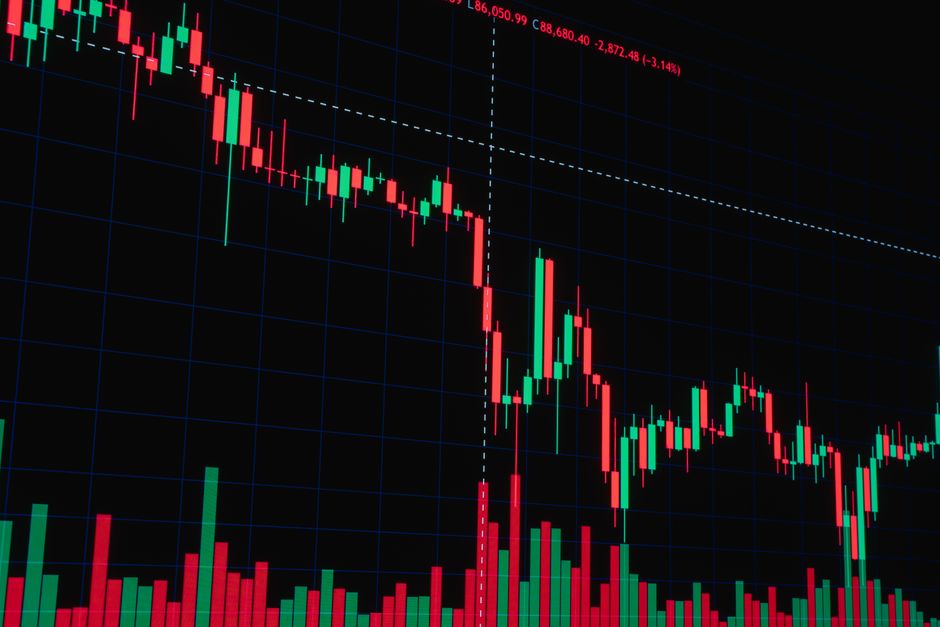
Japan's equity markets experienced a significant sell-off today, led by concerns over the Bank of Japan's ongoing rate hiking cycle. The BOJ, currently in its first consecutive rate increase phase, remains focused on tightening monetary policy, a move that contrasts with the Federal Reserve and Bank of England, both of which are holding rates steady. This divergence in central bank actions has unsettled investors, contributing to broad market declines. The Nikkei 225 fell by 5.96%, reflecting heightened risk aversion and profit-taking after the BOJ's recent policy shift.
The downturn was widespread across sectors, with automotive and financial stocks among the hardest hit. Major automakers Toyota (7203), Honda (7267), and Nissan (7201) saw sharp price drops of 5.52%, 5.69%, and 7.86%, respectively. Financial institutions also faced pressure, with MUFG (8306), SMFG (8316), and Mizuho (8411) declining 6.52%, 5.73%, and 7.00%. These moves suggest investor caution toward industries sensitive to interest rate changes and global economic uncertainties. Meanwhile, technology-related stocks like Sony (6758) and Hitachi (6501) fell less dramatically, indicating some sector differentiation based on growth prospects and export exposure.
The yen's behavior today added complexity for exporters and importers alike. While the BOJ continues to hike rates, the currency's movement relative to other major currencies is a key factor affecting export competitiveness and input costs. A stronger yen typically makes Japanese goods more expensive overseas, pressuring exporters, while benefiting importers through cheaper foreign goods. The declines in major exporters such as Toyota and Nissan reflect investor concerns about currency impacts combined with policy tightening. Conversely, import-focused companies may face less pressure but remain cautious amid market volatility.
Overall, the full-day session was marked by broad selling pressure across the Tokyo Stock Exchange. There were no major earnings announcements or scheduled events to offset the negative sentiment. Investors appear to be positioning ahead of upcoming central bank meetings later this month, particularly watching the ECB's and BOE's next decisions. With the BOJ's next meeting set for mid-September, market participants will closely monitor any further policy signals. Tomorrow's session may see continued volatility as traders digest global monetary policy trends and assess corporate earnings reports expected in the coming days.