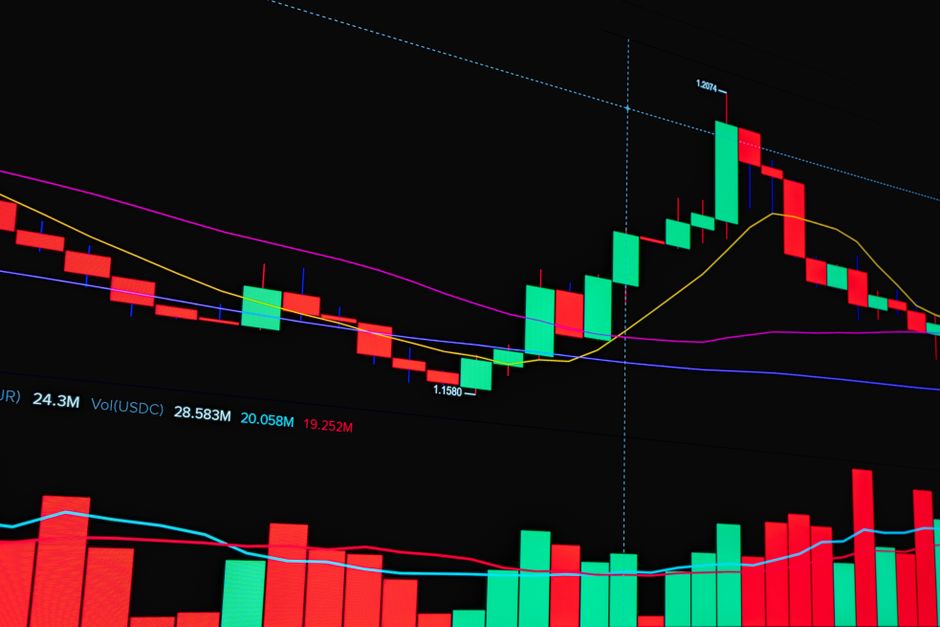
The Tokyo Stock Exchange saw a notable sell-off in TSE:6920 shares, which fell sharply by 13.55% midday, driven primarily by the Bank of Japan’s continuation of its rate hiking cycle. The BOJ has recently moved to increase its policy rate to 1.00%, marking the start of a hiking phase, with the next policy decision scheduled for July 30, 2026. This shift in monetary policy has introduced uncertainty for certain sectors, especially those sensitive to borrowing costs and financing conditions, directly impacting investor sentiment toward specific stocks such as TSE:6920.
Sector-wise, the market showed a mixed response. Automotive manufacturers were among the top performers, with Honda (7267) gaining 2.90% and Nissan (7201) up 1.70%, reflecting resilient demand and possible cost pass-through ability in a changing rate environment. Technology and industrials also saw solid gains, with Sony (6758) rising 2.62% and Hitachi (6501) up 2.18%. Conversely, major financial players like Mitsubishi UFJ Financial Group (8306) and Mizuho Financial Group (8411) experienced modest declines of 0.28% and 0.62% respectively, possibly reflecting caution amid evolving rate expectations globally.
The yen’s performance remains a critical factor for exporters and importers alike. Although no explicit policy changes to other central banks were announced today, the Bank of Japan’s hiking stance contrasts with the on-hold status of the Federal Reserve and Bank of England, and the ongoing hikes by the Reserve Bank of Australia and European Central Bank. This divergence can influence yen strength or weakness, affecting export competitiveness and import costs. Japanese exporters like Toyota (7203), while slightly down by 0.12%, remain sensitive to currency fluctuations, which can either enhance overseas earnings or compress margins depending on yen moves.
In the morning session, the market exhibited early sector rotation, with investors shifting from rate-sensitive financials toward exporters and industrials showing growth potential in a rising rate environment. The slight decline in the Nikkei 225 by 0.12% contrasts with a moderate 0.45% gain in the broader TOPIX index, suggesting selective buying. Looking ahead to the afternoon session, attention will likely focus on whether the BOJ’s hiking cycle continues to weigh unevenly across sectors, and if risk appetite sustains flows into growth-oriented shares despite rising borrowing costs. Investors should watch for any shifts in yen valuation that could further influence exporters and the broader market direction.