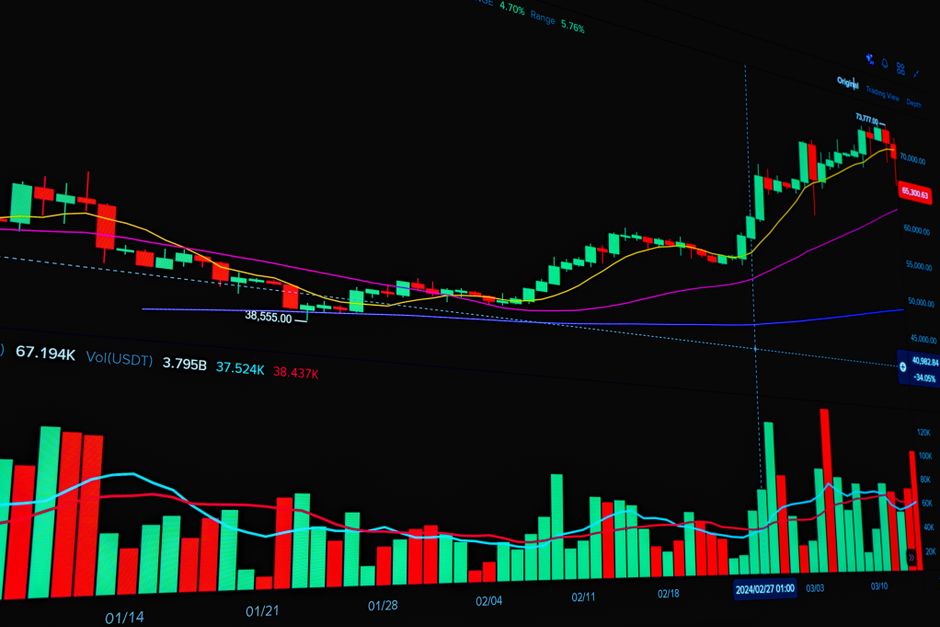
Japan’s equity market declined sharply in midday trading, led by a 2.12% drop in the Nikkei 225. The primary driver behind the market weakness was the Bank of Japan’s ongoing hiking cycle, marking its first consecutive rate increase and signaling a significant shift in monetary policy. This change has introduced cautious sentiment among investors, as they reassess valuations and growth prospects under a rising interest rate environment. The sharp 8.80% fall in TSE:6920 was a major contributor to the overall market decline, reflecting stock-specific concerns that amplified the downward pressure.
Sector performance showed a mixed picture amid the broader market retreat. Automakers displayed varied moves; Honda gained 1.33%, supported possibly by firm demand forecasts or company-specific factors, while Toyota slipped slightly by 0.23%, reflecting general profit-taking. Financial stocks, including the major banks MUFG and SMFG, declined modestly by around 0.5%, and Mizuho saw a more pronounced fall of 1.77%, indicating investor caution about banking sector exposure in a changing interest rate landscape. Technology-related names such as Sony and Hitachi edged higher, suggesting that some growth-oriented sectors are still attracting buying interest despite the broad decline.
The yen’s performance today remained relatively stable, with no major moves reported against other currencies. This provided a neutral backdrop for exporters and importers. Exporters like Toyota and Nissan showed resilience with minor price changes, as stable currency conditions help maintain overseas earnings expectations. The lack of yen depreciation means importers did not experience additional cost pressures, which might have otherwise amplified market volatility. Overall, the currency environment did not add significant influence to the market’s direction today.
In the morning session, the market exhibited clear sector rotation dynamics, with defensive and growth sectors showing relative strength compared to more interest rate-sensitive areas such as financials. Investors appeared to be recalibrating portfolios in response to the BOJ’s hiking cycle, focusing on companies and sectors that may better withstand tightening monetary conditions. Looking ahead to the afternoon session, attention will likely remain on whether the broader market can stabilize or if further profit-taking will emerge as participants digest this pivotal policy shift. Market participants will also watch for any additional company-specific news that could sway individual stock performance within this cautious environment.