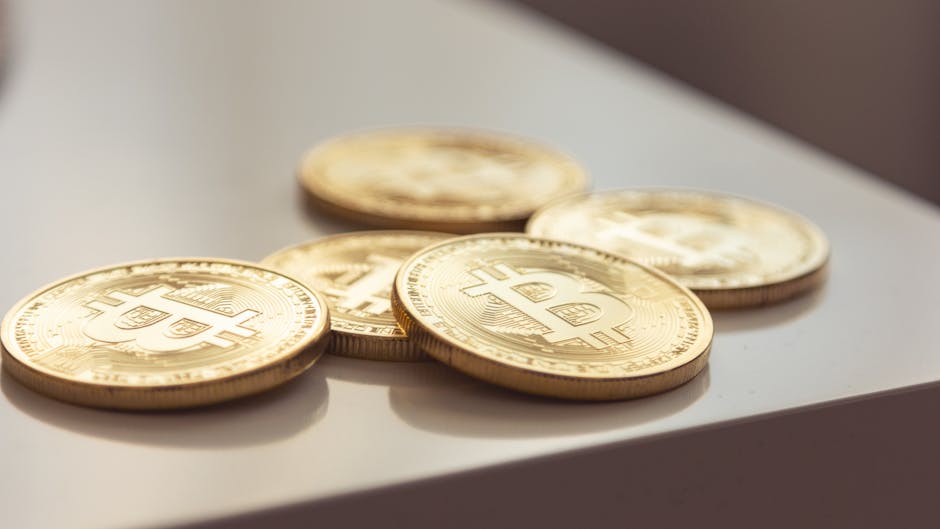
The recent downturn in cryptocurrency markets comes amid a backdrop of central bank policy clarity but no new catalysts from macroeconomic events. The Federal Reserve has held its policy rate steady at 3.75% for the third consecutive time, signaling no immediate changes ahead of its next meeting scheduled for June 16, 2026. Meanwhile, the Bank of Japan has initiated a hiking cycle, raising rates to 1.00%, with its next meeting set for September 18, 2026. With no major economic or regulatory events scheduled today, these steady but contrasting central bank policies provide the macroeconomic context influencing investor behavior.
Bitcoin and major altcoins experienced significant price declines, reflecting broader market caution. Bitcoin slipped slightly by 0.06% to ¥12,678,080, while Ethereum dropped more noticeably by 0.66% to ¥370,950. Other coins like Binance Coin and XRP showed small gains of 0.50% and 1.25%, respectively, but these were not enough to offset overall bearish sentiment. The sell-off is meaningful because it suggests that despite no new Fed policy shifts, investors may be wary of tightening monetary conditions globally, especially with the Bank of Japan now entering a rate hiking phase. Such moves generally reduce liquidity and risk appetite, factors important for crypto asset valuations.
Market sentiment appears cautious, with on-chain data indicating reduced trading volumes and lower network activity compared to previous weeks. This suggests that traders are taking a wait-and-see approach as the effects of Japan's rate hike cycle begin to materialize. The absence of fresh regulatory developments or major technological updates in the crypto space further dampens enthusiasm. Investors seem to be recalibrating expectations, balancing the Fed’s steady stance with the implications of Japan’s shifting policy, both of which affect global capital flows and risk perception.
Looking at session-specific activity, the Asian trading hours saw some volatility as the market digested the BOJ’s policy move, with prices fluctuating but ultimately trending downward. As European markets opened, the momentum remained subdued, reflecting persistent uncertainty. This pattern highlights how regional monetary policies can influence trading behavior in different time zones, with Asia reacting more directly to Japan’s hike and Europe maintaining caution ahead of possible future Fed decisions. Overall, the combination of steady Fed policy and the BOJ’s new hiking cycle is shaping a complex environment for crypto investors in Japan and beyond.